News, tips, and commentary about all things b2slab
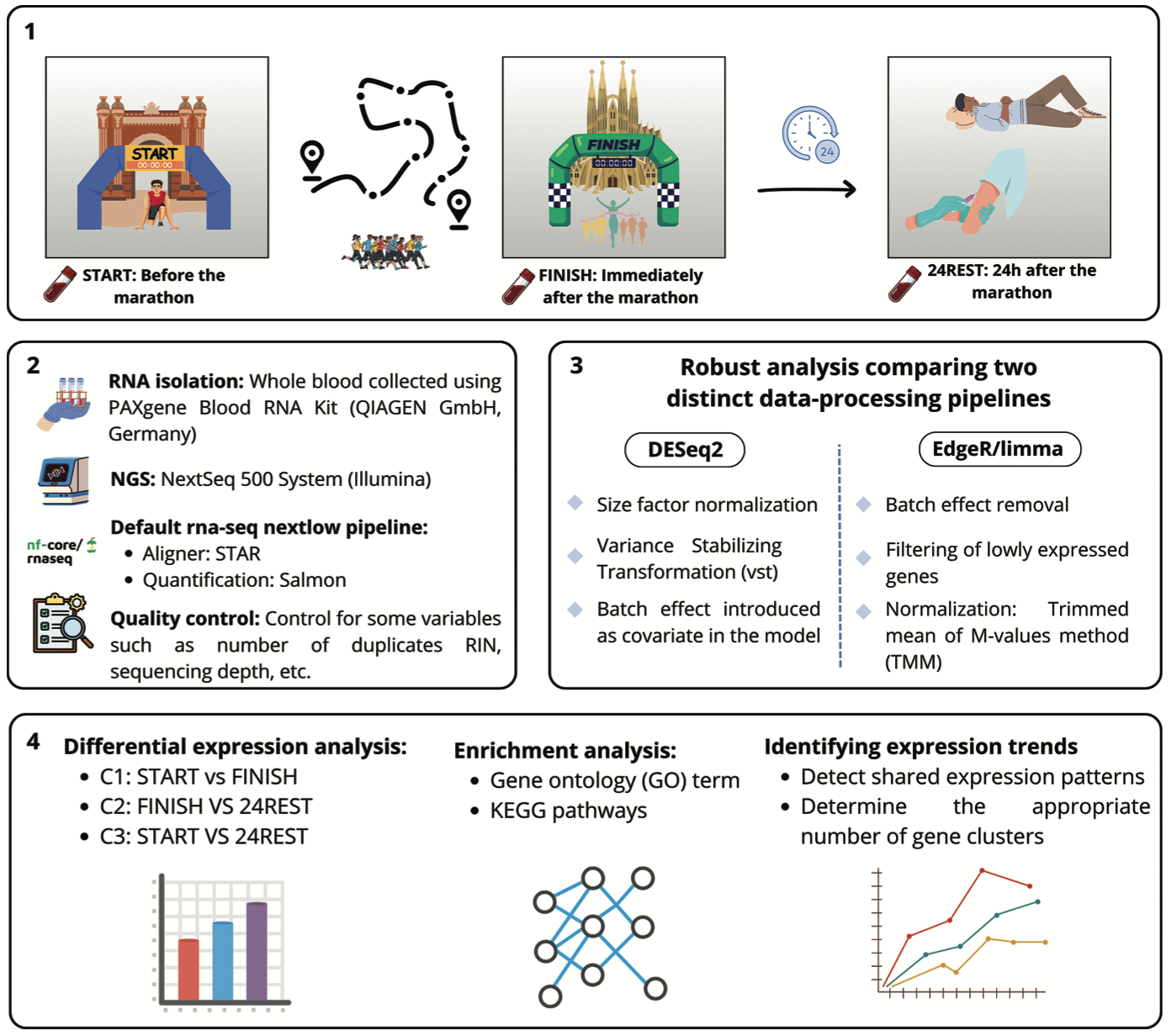
A transcriptomic study of 60 non-elite marathon runners reveals nearly 10,000 genes change expression immediately after a race — and 24 hours later, your blood still hasn’t fully recovered.
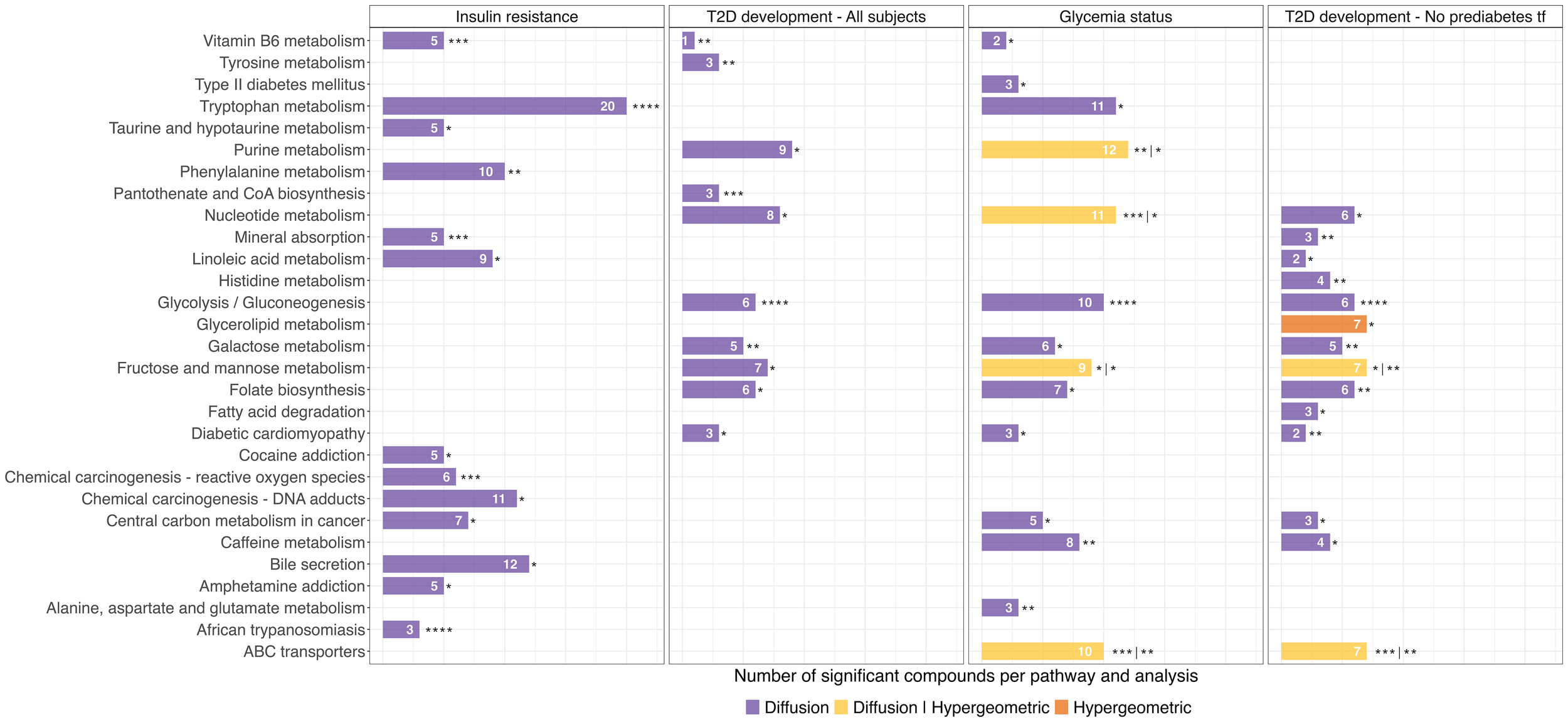
A metabolomics study identifies guanine and pregnenolone sulfate as markers associated with future type 2 diabetes, detectable more than 7 years before diagnosis, and validates them in two independent cohorts.
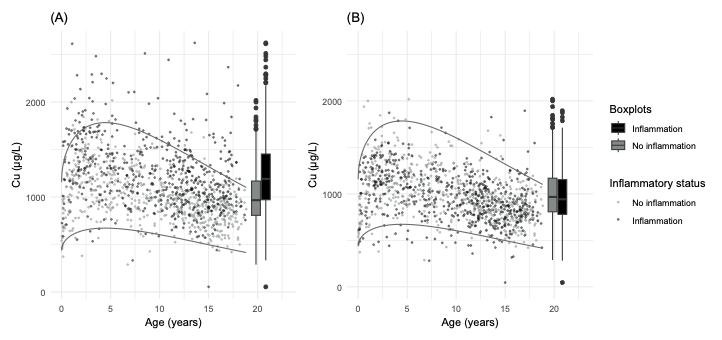
A new study of over 4,000 pediatric samples shows that inflammation elevates serum copper by around 24%, making standard reference values misleading. A new age- and inflammation-adjusted model sets more accurate clinical benchmarks.
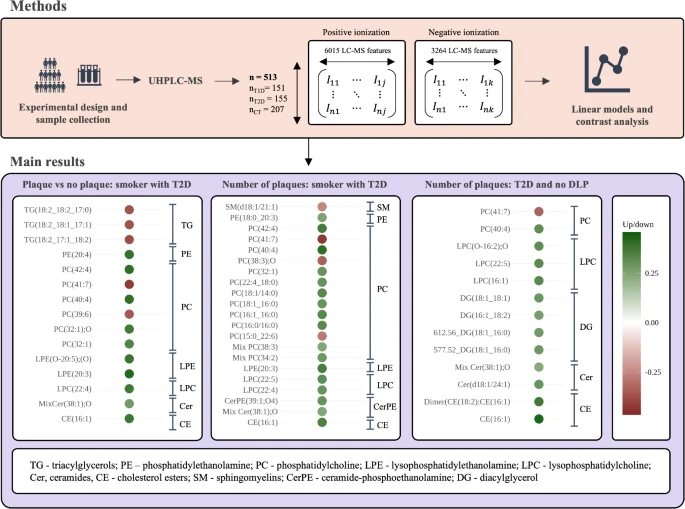
A lipidomics study of 513 individuals shows that specific phosphatidylcholines and diacylglycerols in blood are linked to subclinical carotid atherosclerosis in type 2 diabetes — silent vascular damage that can be detected years before a clinical event.
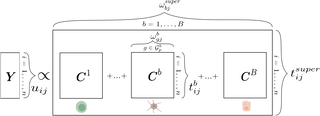
singIST is a new computational method that quantifies how faithfully an animal disease model reproduces human biology at single-cell resolution — giving researchers a principled way to choose the right model before testing any treatment.
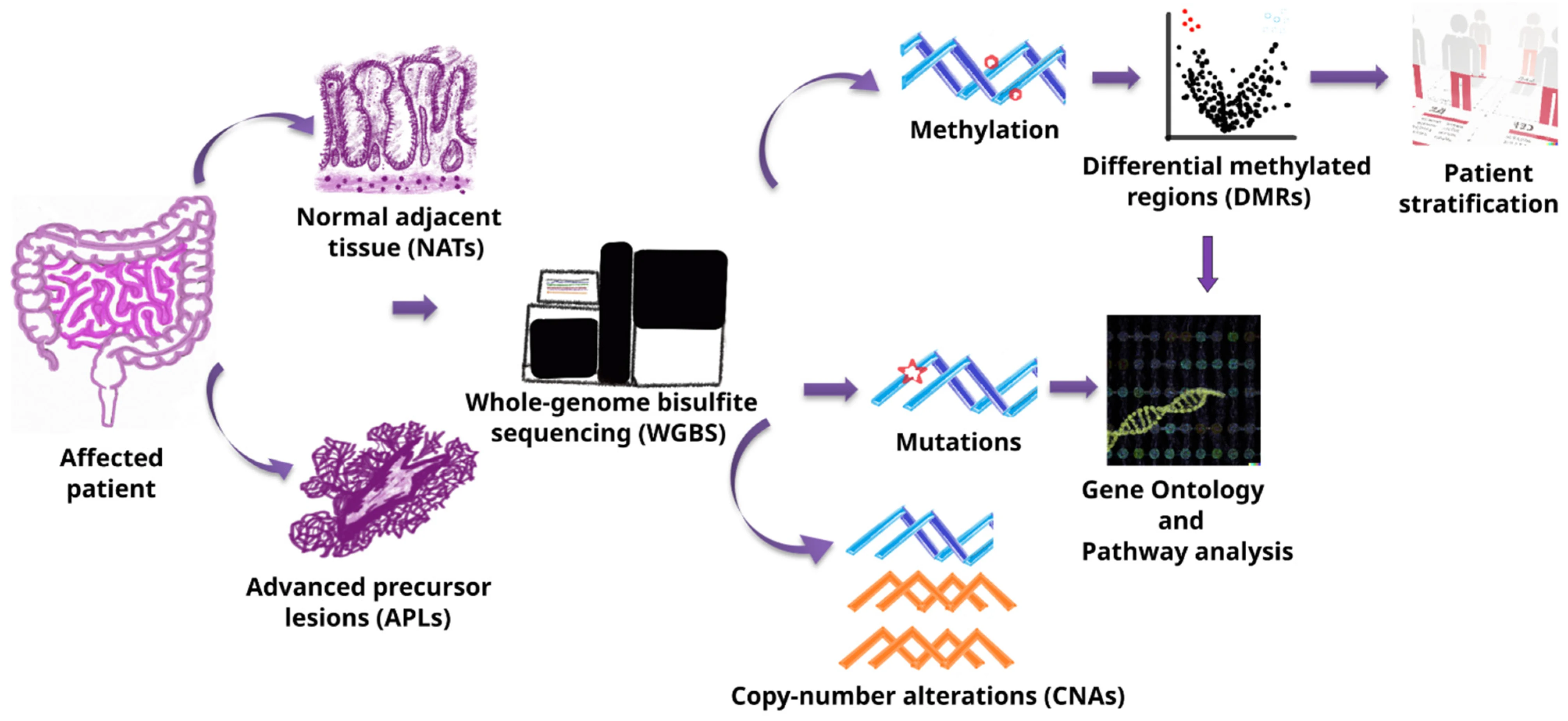
A multi-omic study of colorectal adenoma subtypes reveals distinct methylation, copy-number, and mutation patterns at the precancerous stage — opening new avenues for early detection tests that could catch cancer before it starts.
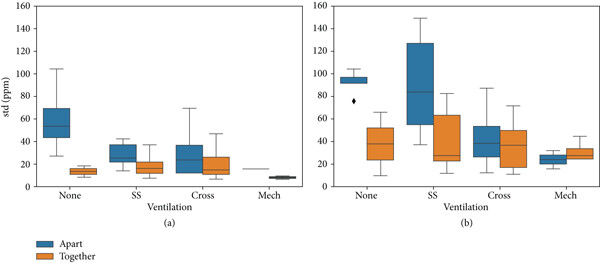
A five-month measurement campaign in primary schools and university classrooms shows that sensor placement and ventilation strategy can cause CO2 discrepancies above 100 ppm — larger than the differences between sensor models.
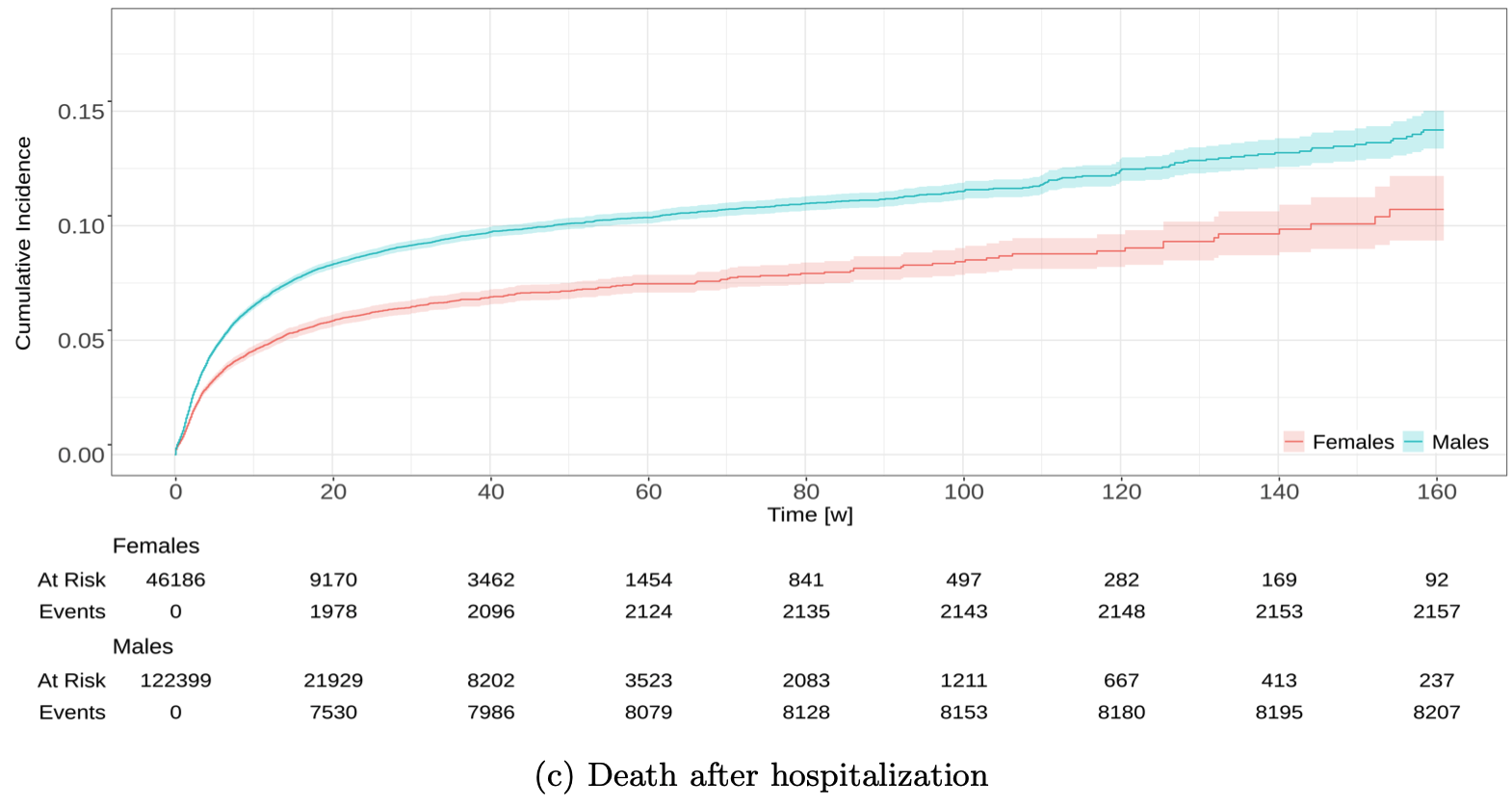
A new study using longitudinal EHR data from over 150,000 COPD patients in Catalonia shows that deep learning models can jointly predict hospitalization and mortality more accurately than traditional methods. These findings highlight the potential for advanced risk stratification tools to improve the management of chronic respiratory diseases.
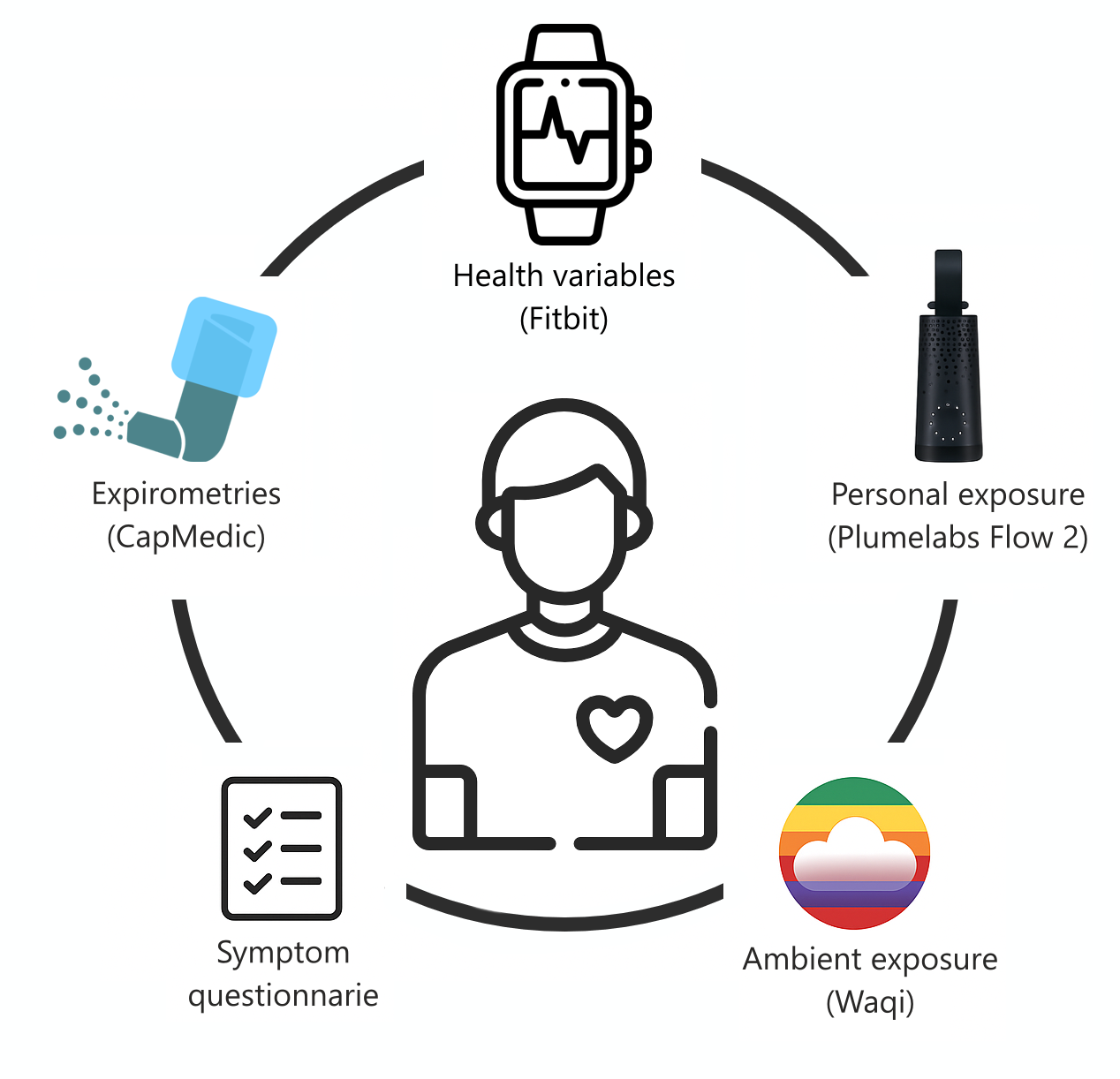
A six-month dataset from 13 adults with asthma using wearable air quality sensors shows that personal monitoring captures individual pollution exposures more accurately than fixed stations. These findings highlight the potential of precision environmental health tools to better understand asthma triggers and support future personalized and epidemiological research.
The first official meeting of the SERVICO2 project was held on 20–21 November in Blanes. This marked the beginning of the project to understand the role of headwater catchments in regulating greenhouse gases under global change.
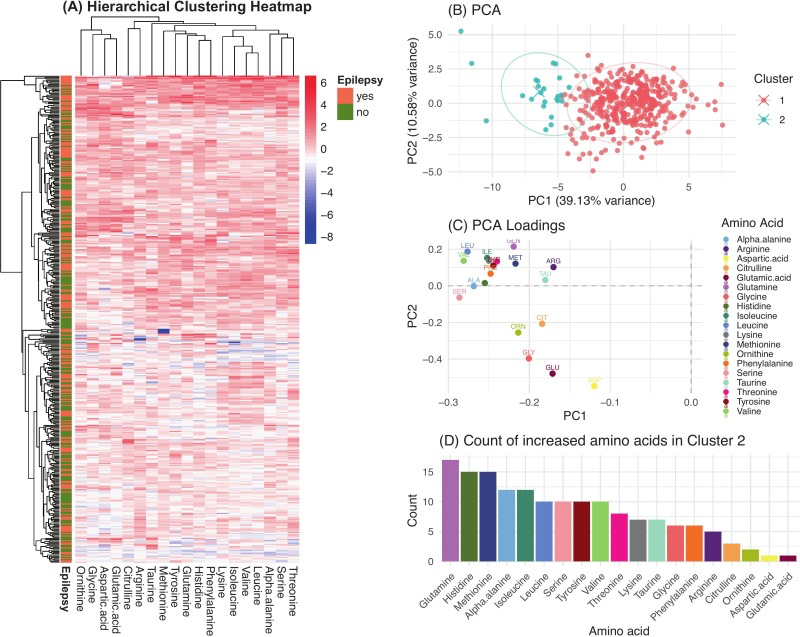
Our new study Large pediatric study establishes age-adjusted CSF amino acid reference ranges, revealing mostly normal profiles in epilepsy but highlighting glutamine and essential amino acid changes linked to medications and generalized seizures
The research project was awarded the UPC Prize for Social Commitment 2025, granted by the Social Council of the Universitat Politècnica de Catalunya – BarcelonaTech (UPC).
This is the annual b2s crash course for everyday basic tools
Vaccine hesitancy remains a major barrier to public health, even with vaccines readily available. This post breaks down our recent study that surveyed adolescents and parents across four European countries to understand why some still hesitate.
Our new study has taken a deep dive into cerebrospinal fluid (CSF)—the liquid that surrounds and protects the brain and spinal cord—to analyze amino acid levels
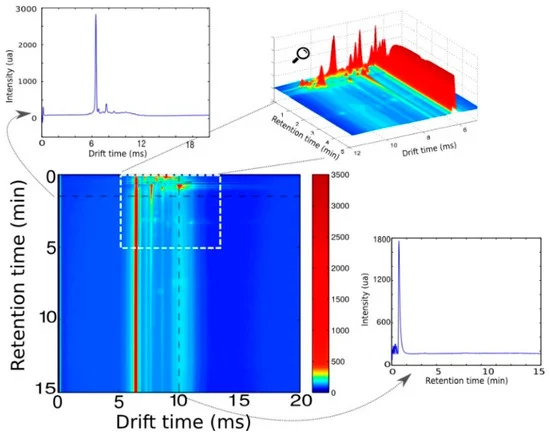
A new signal processing workflow for instrument-based electronic noses produces simpler, more reliable predictive models — demonstrated on olive oil quality control, where the method outperforms traditional approaches without needing to identify individual chemical compounds.
A Deep Attention-Based Encoder for the Prediction of Type 2 Diabetes Longitudinal Outcomes from Routinely Collected Health Care Data
b2slab on social networks
Oh, suprise!, we have coded the web in Markdown/Quarto
Education, Sharing and Research
VI Conferencia Anual de las Plataformas Tecnológicas de Investigación Biomédica:
The performance experienced by medicine in recent years could not be explained without the role of new technologies
The MAIT package for analysing LC/MS Metabolomic data